Banner: Commanding Attention in Modern Design
In a world saturated with visual noise, standing out requires more than just a message—it demands a bold visual statement. This is where the right typography becomes your most powerful ally. A font like Banner is not merely a collection of letters; it is a designed object, a stunning decorative display typeface crafted to be the undisputed center of attention. For graphic designers, brand strategists, and creative professionals, selecting such a unique asset is a strategic decision that elevates a project from ordinary to extraordinary.
The Anatomy of a High-Impact Display Typeface
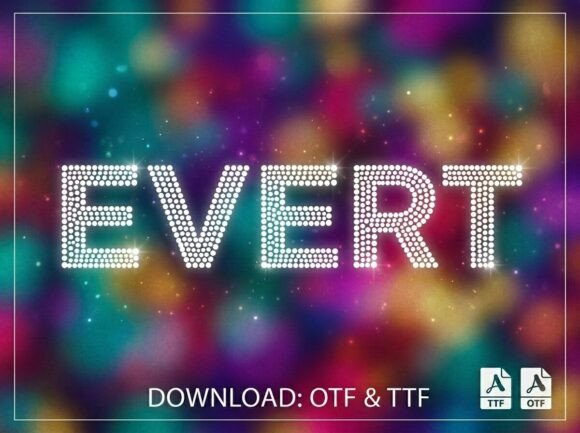
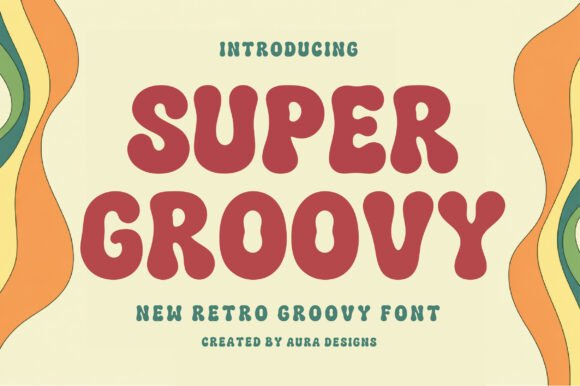
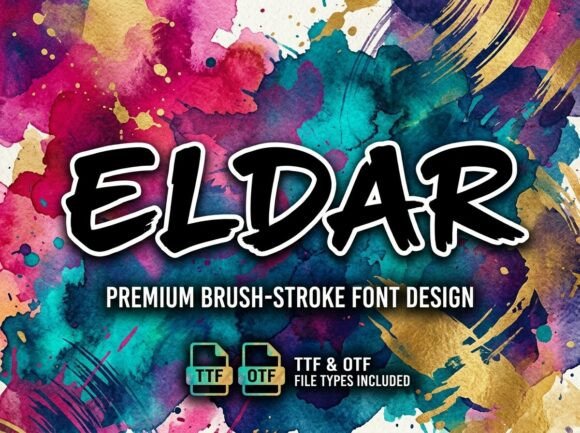
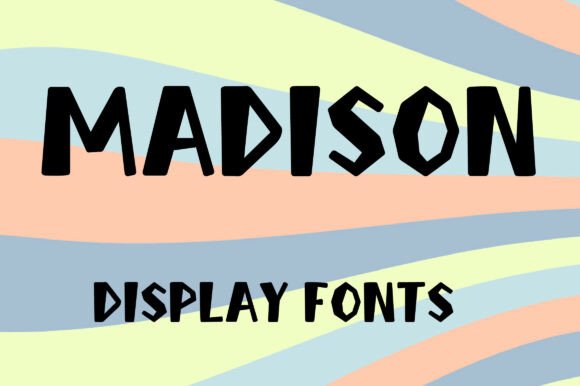
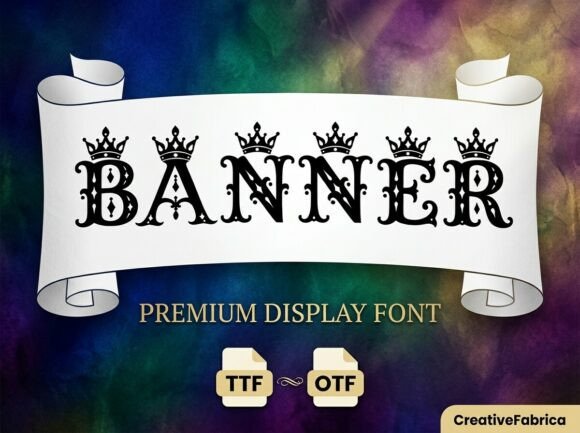
What defines a font like Banner is its deliberate, artistic personality. Featuring unique sculptural elements and a strong visual presence, it moves beyond simple communication to become a focal point of the composition. This font is specifically an ALL-CAPS (Uppercase Only) display typeface. It does not include lowercase letters, a critical specification for designers. This design choice is intentional, as it specializes in high-impact scenarios where every letterform is treated as a work of art, perfect for commanding attention in headlines, logos, and decorative initials.
Practical Applications for Creative Professionals
The versatility of a well-crafted display font allows it to serve as a cornerstone across numerous creative projects. Its primary strength lies in applications where visual hierarchy and immediate recognition are paramount.
- Branding and Logo Design: A font like Banner can form the core of a brand's visual identity, especially for companies in creative, luxury, or entertainment industries that want to project confidence and artistry.
- Marketing and Advertising: From digital ads and social media graphics to print campaigns and posters, its bold nature ensures headlines and key messages cut through the clutter, improving user engagement and recall.
- Packaging Design: On shelf or in an e-commerce listing, unique typography is a key differentiator. It can define a product's personality, making it instantly recognizable and appealing to the target audience.
- Editorial and Web Design: Used sparingly for article titles, pull quotes, or hero sections on a website, it adds a layer of modern aesthetics and editorial punch, enhancing the overall user experience (UX).
- Presentation and Merchandise: Transform standard slides into memorable presentations or create standout merchandise where the typography itself becomes the primary design element.
Integrating a Bold Font into Your Design Workflow
Successfully incorporating a strong display font like Banner requires thoughtful application. It is a tool for emphasis, not for body copy. Here are key considerations for professional use:
- Establish Visual Hierarchy: Use Banner for primary headlines or focal points. Pair it with a clean, highly readable sans-serif or serif font for subheadings and body text to create contrast and ensure legibility.
- Consider Context and Audience: A decorative, all-caps font conveys specific emotions—boldness, creativity, luxury, or vintage charm. Ensure its personality aligns with your brand identity and the expectations of your audience.
- Mind the Technicals: When you license a font like Banner, you typically receive essential files: an OTF file for advanced design software and a TTF file for universal compatibility. This ensures your design asset works seamlessly across all platforms, from Adobe Illustrator to web-based tools.
- Test for Scalability: Always preview your chosen typeface at various sizes. A font designed for large display use may lose detail or become illegible at small sizes, which is critical for responsive web design and mobile UI.
Ultimately, the deliberate selection of typography is a fundamental pillar of professional graphic design. It influences readability, sets the emotional tone, and contributes directly to the polish and effectiveness of the final product. By choosing purpose-built assets like the Banner font, designers and creators can make a confident investment in their visual communication. Such tools are not just about making things look good; they are about crafting a cohesive, compelling narrative that resonates with viewers and strengthens the core message, proving that in design, the details are everything.